








Trump’s “Liberation Day” Tariffs Trigger Market Turmoil and Recessionary Concerns
Former President Donald Trump’s pledge to impose sweeping tariffs on virtually all imports if re-elected in 2024 has sent shockwaves through financial markets and ignited fears of a potential global recession. Dubbed “Liberation Day” by Trump, the proposed policy aims to penalize countries he accuses of unfair trade practices. However, economists and business leaders warn that such a drastic measure could backfire, triggering retaliatory tariffs, disrupting supply chains, and driving up prices for American consumers.
Trump’s tariff proposal, outlined in a campaign video, calls for a 10% tariff on all goods entering the United States, with the potential for even higher rates on specific products. He argues that this would level the playing field for American businesses and bring manufacturing jobs back to the country. This echoes his previous protectionist policies, which saw tariffs imposed on goods from China, Europe, and other trading partners during his first term.
However, the potential consequences of a universal tariff are far-reaching. Economists warn that such a broad-based approach would likely ignite a trade war, with other countries imposing retaliatory tariffs on American exports. This could severely damage American businesses that rely on international trade, particularly in sectors like agriculture and manufacturing.
Moreover, the increased cost of imported goods would inevitably translate to higher prices for consumers, fueling inflation and potentially dampening consumer spending, a key driver of economic growth. This, coupled with the disruption to global supply chains, could push the US economy into a recession. Businesses relying on imported components would face higher production costs, potentially leading to job losses and reduced investment.
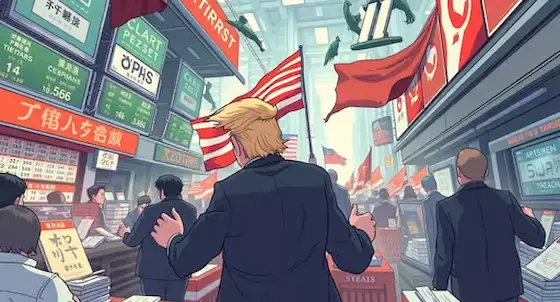
The market reaction to Trump’s proposal has been swift and negative. Stock markets have experienced volatility, reflecting investor concerns about the potential economic fallout. The uncertainty surrounding trade policy makes it difficult for businesses to plan for the future, hindering investment and potentially slowing economic growth.
Critics argue that Trump’s “Liberation Day” tariffs are a misguided attempt to address complex trade imbalances with a blunt instrument. They point to the negative consequences of his previous tariff policies, which resulted in higher prices for consumers and disruptions to supply chains, with limited benefits for American businesses.
Instead of sweeping tariffs, many economists advocate for a more targeted approach to trade policy, focusing on addressing specific unfair trade practices through negotiations and international cooperation. They argue that this approach would be more effective in promoting fair trade and protecting American interests without jeopardizing the global economy.
Furthermore, some analysts suggest that Trump’s focus on tariffs distracts from more fundamental issues affecting the American economy, such as the need for investments in infrastructure, education, and workforce development. These investments, they argue, would be more effective in creating long-term economic growth and improving the competitiveness of American businesses.
The proposed “Liberation Day” tariffs have sparked a heated debate about the future of American trade policy. While Trump and his supporters argue that tariffs are necessary to protect American jobs and industries, opponents warn that they could have devastating consequences for the global economy and American consumers. The ultimate impact of these proposed tariffs remains uncertain, but their announcement has already created significant market turmoil and heightened fears of a potential recession.
Other Articles