







US Stock Market Plunges Amid Tariff Concerns
The US stock market experienced a significant downturn, echoing the market crash of March 2020 triggered by the COVID-19 pandemic. The Dow Jones Industrial Average plummeted 1,679 points, a 3.98% drop, closing at 40,545. The Nasdaq Composite suffered an even steeper decline, falling 1,050.44 points, a 5.97% loss. This dramatic sell-off reflects growing investor anxiety over the potential impact of escalating trade tensions and newly imposed tariffs. While the specific tariffs mentioned in the original article are not detailed, the market reaction suggests significant concern about their potential to disrupt global trade and economic growth. The sharp decline evokes memories of the market volatility seen during the early stages of the pandemic, highlighting the fragility of the current economic recovery.
Cryptocurrency Market Feels the Pressure
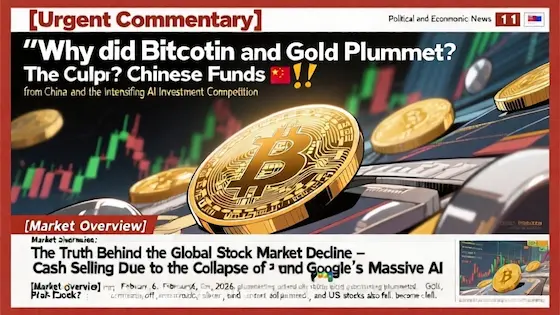
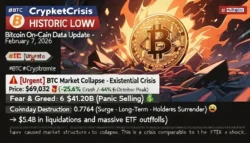
The ripple effects of the stock market turmoil extended to the cryptocurrency market, which also experienced downward pressure. Bitcoin (BTC), the leading cryptocurrency, dipped by 1.0%, trading at $82,886. While this decline is relatively modest compared to the losses seen in the stock market, it demonstrates the interconnectedness of traditional and digital asset markets. Investor sentiment plays a crucial role in both, and negative news in one area can easily spill over into the other. The fact that Bitcoin held relatively steady above the $82,000 mark suggests some resilience in the face of broader market uncertainty. This could be attributed to Bitcoin’s growing acceptance as a store of value and a hedge against inflation, particularly during times of economic instability.
Interplay of Global Markets and Investor Sentiment
The synchronized downturn in both stock and cryptocurrency markets underscores the increasingly interconnected nature of global finance. Investor sentiment, driven by macroeconomic factors and geopolitical events, can quickly transmit across asset classes. While the specific details of the tariffs mentioned in the source article are unclear, the market reaction clearly indicates widespread concern about their potential economic consequences. The reference to a “Trump Tariff Shock” suggests that the tariffs were implemented by the Trump administration, and the subsequent market reaction indicates a negative perception of their impact. This highlights the significant influence that government policies can have on market stability and investor confidence. The correlation between the stock market decline and Bitcoin’s price dip, albeit a smaller one, suggests that even decentralized digital assets are not immune to the broader economic climate and prevailing investor sentiment. The situation warrants close monitoring as further developments in trade policy and global economic conditions could continue to influence both traditional and digital asset markets.