









The Enigmatic Nakamoto and Bitcoin’s Rise
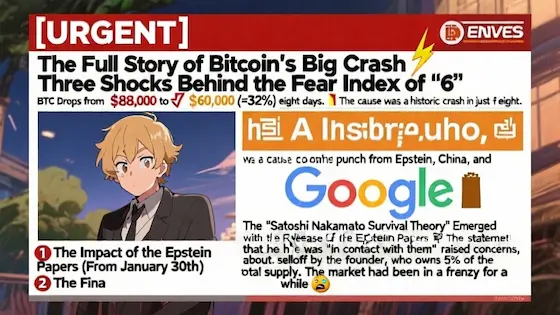
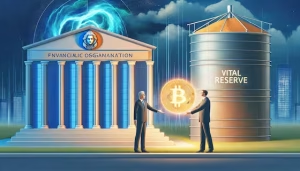
Satoshi Nakamoto, the pseudonymous creator of Bitcoin, reportedly turned 50 this year. While their true identity remains shrouded in mystery, their creation has reached a potential inflection point: speculation is mounting that Bitcoin could become a US reserve asset. This hypothetical scenario raises significant questions about the future of finance, the role of cryptocurrencies, and the legacy of Nakamoto themselves.
Bitcoin’s Journey to Potential Reserve Status
Bitcoin, once a niche digital currency known primarily within tech circles, has gradually gained mainstream acceptance. Its decentralized nature, limited supply, and cryptographic security have attracted investors and institutions alike. This growing adoption has fueled discussions about its potential role in global finance, including the possibility of it becoming a reserve asset held by governments.
The US dollar currently holds the dominant position as the world’s reserve currency, underpinning international trade and financial transactions. However, some analysts argue that Bitcoin’s unique characteristics, particularly its resistance to inflation and censorship, could make it a viable alternative or supplement to traditional reserve assets.
The Implications of a Bitcoin Reserve
If Bitcoin were to become a US reserve asset, the implications would be profound. It could potentially destabilize the existing global financial order, challenging the dollar’s dominance and impacting the monetary policies of nations worldwide. The US government’s embrace of Bitcoin could also legitimize cryptocurrencies as a whole, accelerating their adoption and integration into the financial system.
Furthermore, such a move could have a dramatic impact on Bitcoin’s price and volatility. Increased demand from governments and central banks would likely drive up the price, potentially making it even more attractive to investors. However, the inherent volatility of cryptocurrencies remains a concern, and integrating Bitcoin into the relatively stable world of reserve assets could present significant challenges.
Nakamoto’s Legacy and the Future of Finance
Regardless of whether Bitcoin achieves reserve status, Satoshi Nakamoto’s creation has undeniably revolutionized the financial landscape. Their vision of a decentralized, peer-to-peer electronic cash system has sparked innovation and challenged traditional notions of money and finance. As Bitcoin approaches a potential turning point, Nakamoto’s legacy continues to grow, intertwined with the evolving future of finance.
Challenges and Uncertainties
The path to Bitcoin becoming a US reserve asset is fraught with challenges. Regulatory hurdles, security concerns, and the inherent volatility of cryptocurrencies remain significant obstacles. Furthermore, the decentralized nature of Bitcoin, while a strength in some respects, also presents challenges for integration into traditional financial systems. Governments and central banks are accustomed to exerting control over monetary policy, and Bitcoin’s resistance to such control could be a significant barrier to adoption.
A Hypothetical Future with Significant Implications
The idea of Bitcoin as a US reserve asset remains largely speculative. However, the mere possibility highlights the transformative potential of cryptocurrencies. As Bitcoin matures and the regulatory landscape evolves, the coming years will likely provide greater clarity on its role in the global financial system. Whether or not Nakamoto envisioned this potential future for their creation, their legacy is undoubtedly shaping the ongoing evolution of finance.