







Bitcoin Holds Strong Amidst Dollar Weakness and Easing Inflation
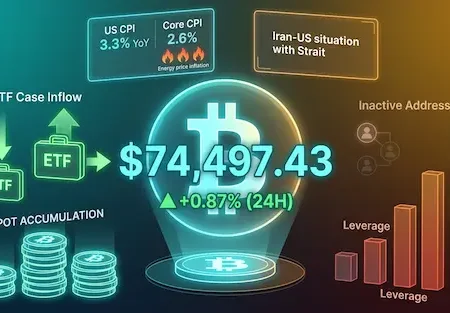
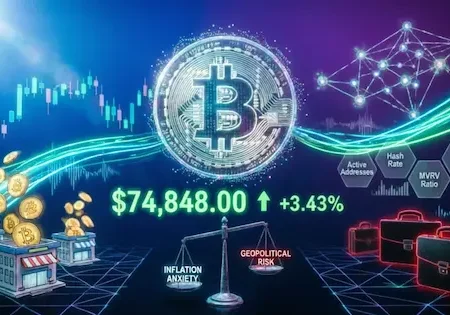
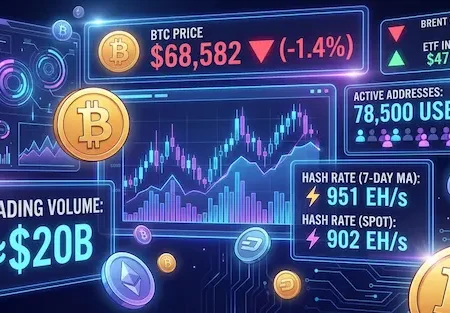
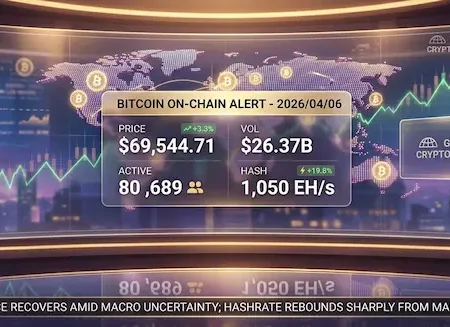
Bitcoin maintained its position around $82,000 as the US dollar experienced a three-year low and the Producer Price Index (PPI) indicated a significant drop in inflation. This confluence of events has sparked renewed interest in Bitcoin as a potential hedge against inflation and currency devaluation.
The US dollar’s decline can be attributed to several factors, including the Federal Reserve’s ongoing loose monetary policy, which involves keeping interest rates near zero and continuing its bond-buying program. This policy, aimed at stimulating economic growth, has inadvertently weakened the dollar’s value relative to other currencies and assets like Bitcoin. Investors seeking higher returns in a low-interest-rate environment are increasingly looking towards alternative investments, including cryptocurrencies.
Further contributing to the dollar’s weakness are growing concerns about rising national debt and potential inflationary pressures. As the US government continues to inject trillions of dollars into the economy, some investors worry about the long-term implications for the dollar’s purchasing power. This uncertainty fuels the appeal of assets like Bitcoin, which are perceived as having a limited supply and therefore potentially less susceptible to inflationary erosion.
The sharp drop in PPI inflation, which measures wholesale price changes, offers a glimpse into the complex dynamics of the current economic landscape. While a decrease in PPI can be seen as a positive sign, indicating a potential easing of inflationary pressures, it can also signal weakening demand in the economy. This ambiguity further complicates the outlook for the US dollar and strengthens the narrative for Bitcoin as a safe haven asset.
Bitcoin’s Resilience Underscores its Growing Acceptance
Bitcoin’s ability to hold its ground amidst the dollar’s decline and fluctuating inflation metrics underscores its growing acceptance as a legitimate asset class. While still considered volatile, Bitcoin has demonstrated a degree of resilience that has attracted both institutional and retail investors. Major companies, including Tesla and MicroStrategy, have added Bitcoin to their balance sheets, further legitimizing its role in the financial ecosystem.
The increasing adoption of Bitcoin by mainstream financial institutions also contributes to its perceived value. Payment processors like PayPal and Square now allow users to buy, sell, and hold Bitcoin, making it more accessible to a wider audience. This increased accessibility, coupled with growing institutional interest, has helped drive Bitcoin’s price appreciation in recent months.
The Interplay of Macroeconomic Factors and Bitcoin’s Future
The relationship between Bitcoin, the US dollar, and inflation is complex and constantly evolving. While Bitcoin’s recent performance suggests a correlation with the dollar’s weakness and inflation concerns, it’s important to note that the cryptocurrency market is still relatively young and susceptible to significant volatility.
Looking ahead, the trajectory of Bitcoin will likely be influenced by a variety of factors, including the Federal Reserve’s monetary policy, the overall health of the global economy, and the ongoing development and adoption of blockchain technology. While the current macroeconomic environment appears favorable for Bitcoin, investors should exercise caution and conduct thorough research before making any investment decisions. The interplay between these various factors will ultimately determine whether Bitcoin continues its upward trajectory or experiences a correction.
Other Articles