








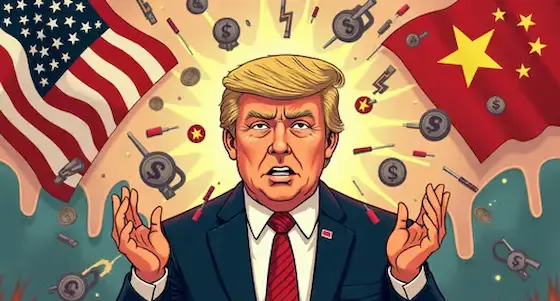
Former President Trump’s extensive use of tariffs, particularly on China, remains a contentious issue. He justified them using Section 232 and 301 of trade laws, citing national security and unfair practices.
Legal Challenges
These tariffs faced numerous legal challenges from affected businesses. While some cases were dismissed, others succeeded, leading to retroactive tariff refunds. The sheer volume of litigation highlighted the controversial nature of these trade actions.
WTO Rulings
The World Trade Organization (WTO) also ruled against some of Trump’s tariffs, deeming them inconsistent with international trade rules. However, the effectiveness of these rulings was limited by the Trump administration’s actions against the WTO’s dispute settlement system.
Biden’s Dilemma
The Biden administration faces the complex task of unwinding these tariffs. While some argue for their removal to ease inflation and repair trade relationships, others advocate maintaining pressure on China. This decision has significant economic and geopolitical implications.
Long-Term Impact
The long-term impact of Trump’s tariffs is still unfolding. While some domestic industries may have benefited temporarily, the overall economic consequences, including retaliatory tariffs and disrupted supply chains, are being debated. The legal precedents set by these cases will continue to shape future trade policy.