









Fed Chair Jerome Powell Urges Caution on Interest Rates as Trump-Era Tariffs Threaten Inflation
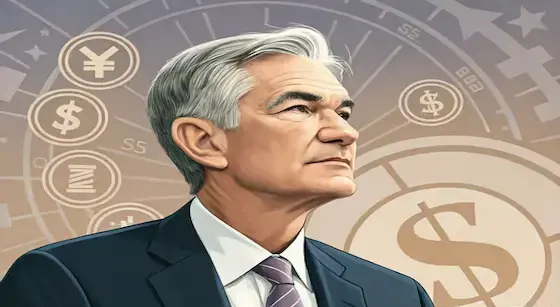
Federal Reserve Chair Jerome Powell expressed concern over the potential inflationary impact of former President Trump’s tariffs, signaling a cautious approach to interest rate adjustments. Speaking at a business journalism event in Arlington, Virginia, Powell emphasized the considerable uncertainty surrounding the economic outlook, primarily due to the tariffs and subsequent retaliatory measures imposed on key trading partners.
Powell stated that it’s “too soon to say” what the appropriate monetary policy response will be. The Fed’s primary objective is to maintain stable long-term inflation expectations and prevent a one-time price increase from spiraling into a persistent inflation problem. He underscored the central bank’s commitment to patience as it assesses the unfolding economic consequences of the tariffs.
This cautious stance comes just weeks after the Fed held its benchmark interest rate steady at 4.25% to 4.50%, citing heightened economic uncertainty. While financial markets increasingly anticipate rate cuts later this year, with some predicting a decrease of at least one percentage point, Powell cautioned against premature expectations. He stressed that if inflation risks escalate, rate cuts may not be warranted.
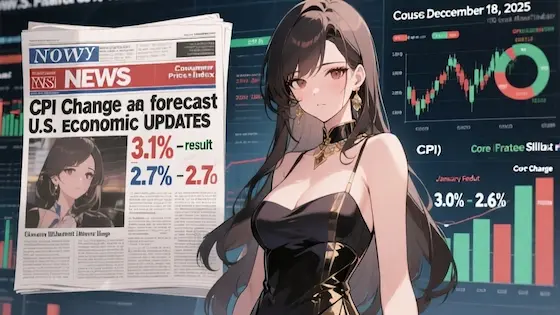
Powell acknowledged the current strength of the US economy, characterized by low unemployment and consistent demand. However, he also noted growing consumer anxieties about inflation and highlighted that core inflation remains above the Fed’s 2% target, registering at an annualized rate of 2.8% in February.
During his presidency, Trump publicly pressured the Fed to lower rates, criticizing Powell for not reacting to what he perceived as declining inflation. Powell, however, reiterated the Fed’s independence from political influence and emphasized its dual mandate of price stability and maximum employment. He explained that while tariffs are likely to cause at least a temporary rise in inflation, the effects could be more enduring. Preventing