







The Federal Reserve at a Crossroads: Politics Meets Monetary Policy
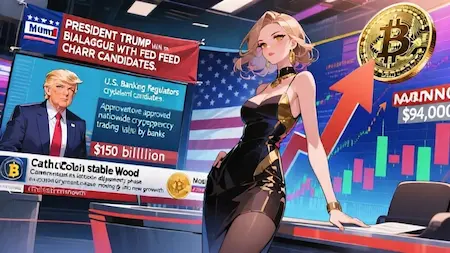
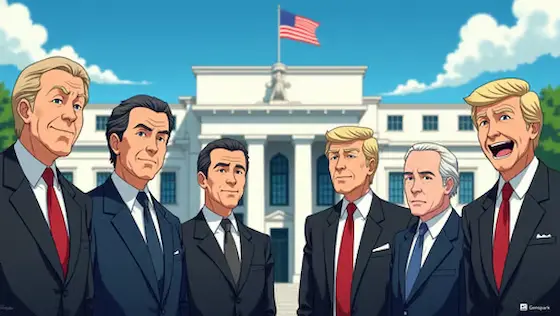
Throughout American history, the Federal Reserve has stood as a guardian of economic stability, tasked with steering monetary policy free from political influence. Yet, moments arise when presidents exert pressure on the Fed to align its policies with their political agendas. These instances offer crucial insights into the risks and consequences of blurring the lines between independent central banking and presidential will.
Historical Episodes of Presidential Pressure
From Franklin D. Roosevelt’s bold interventions during the Great Depression to more recent episodes under various administrations, presidents have sought to influence the Fed’s decisions—whether to stimulate growth ahead of elections or to control inflation in politically sensitive times. When the Fed bends, it risks undermining its credibility, leading to economic distortions such as runaway inflation or delayed recession responses.
The Stakes for the Economy and Democracy
An independent Fed helps maintain investor confidence and long-term economic health. Political meddling can trigger volatility in markets, erode trust in institutions, and complicate the delicate balance between controlling inflation and fostering growth. For global investors and policymakers, the Fed’s commitment to impartiality remains a cornerstone of the U.S. dollar’s strength and the world’s financial stability.
Looking Ahead: Navigating Political Pressures
As political polarization intensifies, the challenge to keep the Fed insulated grows. The institution’s leaders must balance responsiveness to economic realities with resistance to short-term political demands. History suggests that preserving this independence is vital—not only for the U.S. economy but for the global financial system that hinges on America’s monetary stewardship.
In this unfolding narrative, the Fed’s ability to resist presidential pressure will shape the broader political economy, influencing everything from inflation rates to international confidence in U.S. leadership. The lessons of the past remain a guidepost for navigating these complex dynamics in the years ahead.